Yamaha YZF-R3 (2025) Review – Stunning Performance, Price, Specs & Real Ride Experience
Introduction
The Yamaha YZF-R3 (2025) continues the tradition of Yamaha’s famous R-Series — a line that has always blended style, power, and precision into one thrilling package. The R3 has become a favorite among riders who want the thrill of a sportbike without handling the aggression of larger-capacity machines.
For 2025, Yamaha keeps the essence of the R3 alive while refining its look, performance, and comfort. This motorcycle is light, predictable, and smooth — making it equally suitable for daily commuting and spirited weekend rides. Its aerodynamic body, advanced twin-cylinder engine, and sporty ergonomics make it a complete package for both new and intermediate riders looking to step into the supersport world.
The R3 is not just about numbers; it’s about the balance it offers — the way it accelerates, corners, and brakes with confidence. It’s a motorcycle that gives you the thrill of performance without ever feeling intimidating.
Yamaha YZF-R3 Overview
The Yamaha R3 was first introduced as a global model to give new riders a taste of Yamaha’s racing DNA. Over the years, it has received design and mechanical updates that make it look and feel closer to the legendary R6 and R1.
The 2025 version carries the same aggressive stance with sharp LED lighting, improved fairing design, and refined suspension setup. The goal remains the same — a lightweight, easy-to-ride sportbike that delivers genuine excitement in real-world conditions.
The Yamaha YZF-R3 is ideal for riders who seek performance and quality without spending a fortune or dealing with excessive power. It offers track-style precision in a manageable package that fits urban streets as comfortably as winding mountain roads.
Yamaha YZF-R3 2025 Specifications
| Category | Specification Details (2025 Model) |
| Engine Type | 321cc liquid-cooled, 4-stroke, DOHC, parallel twin-cylinder engine |
| Displacement | 321 cubic centimeters |
| Cylinder Arrangement | Twin-cylinder, 4 valves per cylinder |
| Cooling System | Liquid cooling with advanced temperature control |
| Bore x Stroke | 68.0 mm × 44.1 mm |
| Compression Ratio | 11.2: 1 for higher performance and fuel efficiency |
| Fuel System | Electronic fuel injection (EFI |
| Ignition Type | Digital TCI ignition system |
| Starting Method | Electric self-start |
| Lubrication | Wet sump system |
| Transmission Type | 6-speed constant mesh gearbox |
| Clutch Type | Wet, multi-plate assist and slipper clutch |
| Final Drive | Chain drive system |
Chassis and Suspension
| Component | Details |
| Frame Type | Diamond-type lightweight steel frame |
| Front Suspension | 37 mm upside-down (USD) telescopic fork |
| Rear Suspension | Monocross shock absorber with adjustable preload |
| Front Suspension Travel | Approximately 130 mm |
| Rear Suspension Travel | Approximately 125 mm |
| Front Brake | Hydraulic single disc (298 mm) with ABS |
| Rear Brake | Hydraulic single disc (220 mm) with ABS |
| ABS System | Dual-channel anti-lock braking system |
| Front Tyre Size | 110/70-17 tubeless radial |
| Rear Tyre Size | 140/70-17 tubeless radial |
| Wheel Type | Lightweight 10-spoke cast aluminum wheels |
Dimensions and Weight
| Parameter | Value |
| Overall Length | 2,090 mm |
| Overall Width | 730 mm |
| Overall Height | 1,140 mm |
| Wheelbase | 1,380 mm |
| Ground Clearance | 160 mm |
| Seat Height | 780 mm |
| Kerb/Wet Weight | Around 169 kilograms (ready to ride) |
| Fuel Tank Capacity | 14 liters |
| Caster Angle (Rake) | 25.0 degrees |
| Trail | 95 mm |
Performance and Mileage
| Performance Metric | Details |
| Maximum Power Output | Around 42 horsepower at 10,750 rpm |
| Peak Torque | 29.5 Nm at 9,000 rpm |
| Top Speed (Estimated) | 180–190 km/h depending on riding conditions |
| Acceleration (0–100 km/h) | Approximately 5.5 to 6 seconds |
| Fuel Efficiency (Mileage) | 23–25 km/l in mixed riding conditions |
| Fuel Type | Unleaded petrol (recommended high octane) |
| Emission Standard | Euro 5 / BS6 compliant engine |
| Cooling Efficiency | Improved radiator and coolant circulation system |
Electrical and Instrumentation
| Feature | Description |
| Headlight Type | Full LED twin-eye design with sharp projectors |
| Tail Light | Compact LED with clear lens |
| Turn Indicators | LED type with a modern slim profile |
| Instrument Cluster | Fully digital LCD |
| Display Information | Speedometer, tachometer, gear position, fuel gauge, clock, and dual trip meters |
| Battery Type | 12V maintenance-free battery |
| Charging Output | High-efficiency alternator for stable battery performance |
| Connectivity | Y-Connect / MyRide app support for trip data and riding stats |
Build, Design, and Aesthetics
| Design Element | Details |
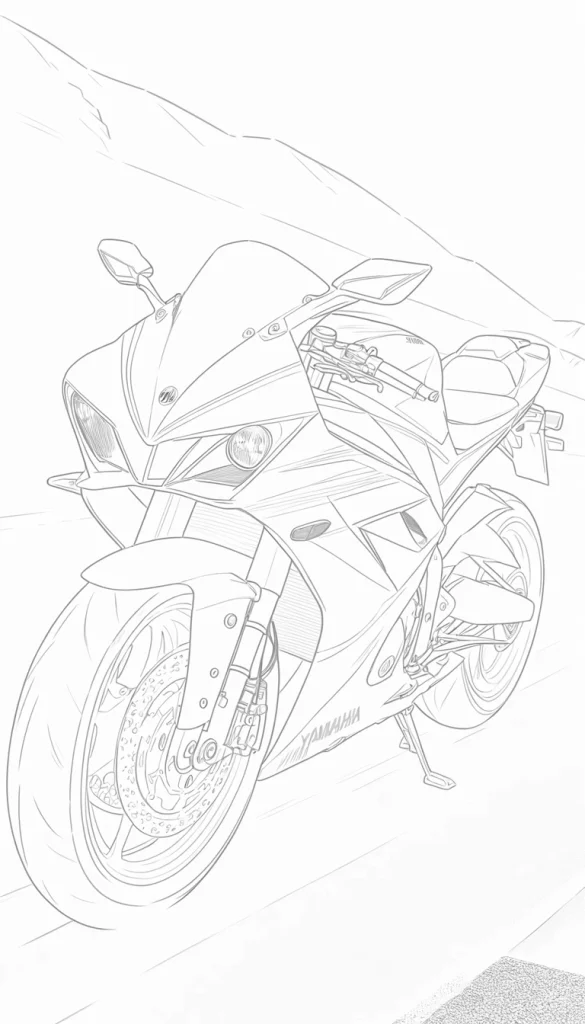
| Body Style | Full-faired supersport with aerodynamic bodywork |
| Windshield | Racing-inspired transparent visor for wind deflection |
| Riding Position | Slightly aggressive yet comfortable for city and highway |
| Handlebars | Clip-on type, adjustable riding stance |
| Foot Pegs | Rear-set sporty aluminum pegs |
| Fairing Design | Inspired by Yamaha R6 and R1 aerodynamic lines |
| Color Options (2025) | Racing Blue, Midnight Black, and Phantom White |
| Build Quality | Premium paint, smooth finishing, and excellent panel fit |
Technology and Features
| Feature | Description |
| Assist & Slipper Clutch | Reduces clutch effort and prevents rear-wheel hopping during downshifts |
| ABS | Dual-channel ABS for improved safety |
| Fuel Injection Mapping | Optimized throttle response and smoother power delivery |
| Digital Display | LCD screen with all real-time riding data |
| Yamaha Ride Control | Smooth engine refinement and low vibration tuning |
| Aerodynamic Efficiency | Improved fairing for reduced drag |
| Comfort Features | Ergonomic seat padding, vibration-damped footrests |
| Exhaust System | Compact exhaust with a sporty tone and better heat management |
Tyres, Brakes, and Handling
| Aspect | Details |
| Tyre Type | Radial tubeless for high grip and durability |
| Front Brake Type | Hydraulic disc with a large rotor and a dual-piston caliper |
| Rear Brake Type | Single disc with single-piston caliper |
| ABS Function | Active on both wheels for safety on wet or uneven surfaces |
| Handling | Stable at high speed, agile in corners, and smooth in city rides |
| Suspension Feel | Balanced setup – firm for track, comfortable for roads |
Price and Availability (2025)
| Market / Region | Expected Price (USD) |
| United States | $5,699 – $6,199 |
| United Kingdom | £6,499 – £6,799 |
| Europe (Average) | €6,400 – €6,800 |
| India (Expected) | ₹4.2 – ₹4.4 lakh (ex-showroom) |
| Australia | AUD 8,299 – AUD 8,599 |
Design and Styling
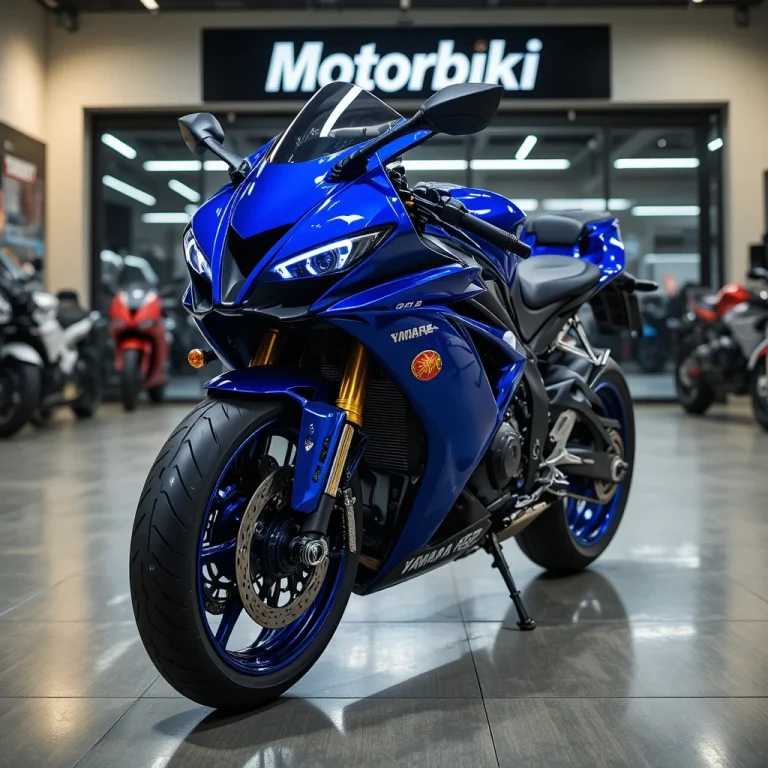
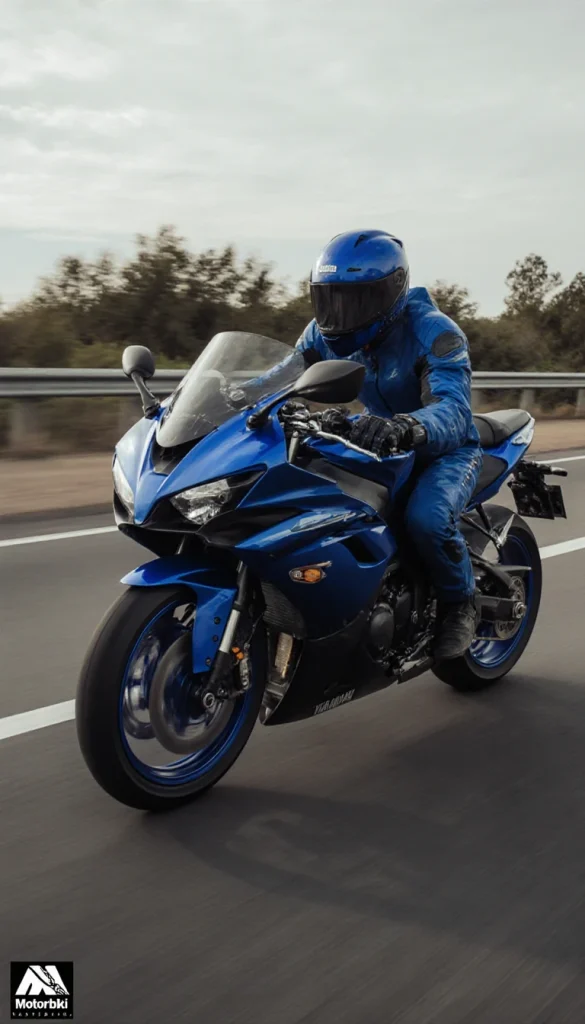
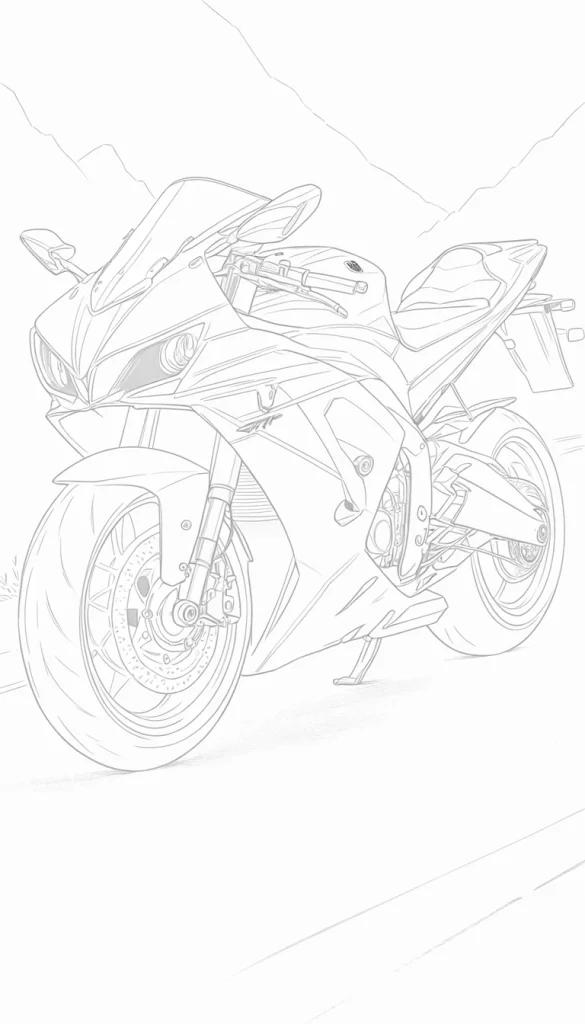
The 2025 Yamaha YZF-R3 wears the same aggressive R-Series DNA that instantly grabs attention. The twin LED headlights, sculpted bodywork, and aerodynamic windscreen all work together to create a purposeful look inspired by Yamaha’s MotoGP machines.
From every angle, the R3 looks sharp and athletic. The build quality feels premium — paint finish, panel alignment, and detailing all reflect Yamaha’s commitment to craftsmanship. The tank design allows excellent knee grip, while the slim tail section gives it a race-ready feel.
Even though it looks like a pure track bike, the R3 is surprisingly comfortable for everyday use. It manages to balance beauty and practicality better than most bikes in its class.
Engine and Performance
At the heart of the Yamaha YZF-R3 lies a 321cc parallel-twin engine that is smooth, refined, and eager to rev. It produces around 42 horsepower, which may sound modest, but the power delivery is so linear that it feels strong throughout the rev range.
The 2025 version benefits from improved fueling and a smoother clutch action, making acceleration effortless. The 6-speed gearbox shifts crisply, and the clutch lever requires minimal effort — ideal for city rides or long journeys.
Whether you’re riding through tight corners or cruising at highway speeds, the R3 feels alive yet controllable. The engine is vibration-free even near its redline, and the exhaust note carries a sporty growl that adds to the overall thrill.
Performance highlights include:
- Smooth mid-range power for quick overtakes.
- Predictable throttle response for better control.
- Refined engine feels even at high RPMs.
It’s not built just for raw speed but for real-world performance that inspires confidence every time you ride.
Handling and Suspension
Handling has always been one of the Yamaha R3’s strongest points, and the 2025 model takes it even further. The lightweight frame and perfect front-rear balance make it incredibly nimble in corners.
The Upside-Down (USD) front forks offer excellent feedback, while the rear monoshock absorbs road imperfections without compromising stability. Even on rough roads, the R3 remains planted and predictable.
Braking is managed by dual-channel ABS and precise disc brakes, ensuring consistent performance in all weather conditions. The bike’s low weight and compact dimensions make it easy to maneuver in traffic and equally fun on twisty backroads.
Whether you’re a daily commuter or a weekend corner chaser, the R3’s handling confidence is unmatched in its category.
Comfort and Ergonomics
Despite its sporty appearance, the Yamaha YZF-R3 is surprisingly comfortable. The riding posture leans slightly forward but doesn’t put unnecessary strain on the wrists or shoulders. The 780mm seat height allows riders of average height to place both feet firmly on the ground.
The seat cushioning is supportive, and the narrow tank allows for natural leg placement. The aerodynamic fairing and windscreen provide effective wind protection at highway speeds, reducing fatigue during long rides.
This comfort balance is what makes the R3 so versatile — it feels like a sportbike when you push it, but a commuter when you need it to be.
Mileage, Maintenance, and Reliability
The R3 returns an impressive 25–28 km/l, depending on riding style and traffic conditions. For a 300cc twin-cylinder motorcycle, that’s a great figure.
Yamaha’s reliability is legendary, and the R3 upholds that reputation proudly. Regular maintenance is simple, and service intervals are generous. Engine oil, filters, and basic consumables are affordable, while parts are widely available across markets.
Owners often report that the R3 can easily handle years of use with minimal wear, provided regular maintenance is followed. It’s one of the few sportbikes that can serve as both a daily companion and a weekend toy without draining your wallet.
Yamaha R3 Price in Top 10 Countries (2025)
| Country | Estimated Price |
| United States | $5,499 |
| United Kingdom | £6,200 |
| India | ₹4.65 lakh |
| Pakistan | PKR 1,800,000 |
| Indonesia | IDR 126 million |
| Philippines | ₱300,000 |
| Malaysia | RM 29,000 |
| Australia | AUD 8,999 |
| United Arab Emirates | AED 25,000 |
| Canada | CAD 6,899 |
Note: Prices vary depending on import duties and local taxes.
Yamaha R3 vs Competitors
The Yamaha YZF-R3 competes with some serious machines in the 300–400cc category. Here’s how it stacks up against its main rivals:
| Model | Engine | Power | Weight | Top Speed | Price |
| Yamaha YZF-R3 | 321cc | 42 HP | 169 kg | 188 km/h | $5,499 |
| Kawasaki Ninja 400 | 399cc | 47 HP | 168 kg | 193 km/h | $5,699 |
| KTM RC 390 | 373cc | 43 HP | 172 kg | 180 km/h | $5,899 |
| Honda CBR500R | 471cc | 47 HP | 192 kg | 190 km/h | $7,199 |
Quick Verdict
The R3 may not be the most powerful in this group, but it’s arguably the most refined and beginner-friendly. It strikes a perfect balance between performance, comfort, and quality. Unlike the Ninja 400, which feels slightly aggressive, or the RC 390, which feels track-biased, the R3 is designed for real-world use with excellent reliability and smoothness.
Common Yamaha R3 Issues and Solutions
Even the best machines have their quirks. Here are a few rider-reported concerns and how they can be managed:
- Vibration at High RPMs
Cause: Engine mounts or unbalanced tires.
Fix: Regular inspection and tire balancing reduce most vibrations. - Firm Suspension
Cause: Sport-tuned setup from the factory.
Fix: Adjust rear preload or switch to a softer aftermarket suspension if needed. - Limited Storage Space
Cause: Sportbike design leaves little room under the seat.
Fix: Use tail bags or tank bags for carrying essentials. - High Import Price in Some Regions
Cause: Import duties, not manufacturing cost.
Fix: Buy through authorized dealers for warranty and support. - Basic Instrument Cluster
Cause: Minimalist design to reduce weight.
Fix: Riders often add aftermarket TFT displays if desired.
Rider Reviews and Real Feedback
Riders who own the Yamaha YZF-R3 often describe it as the “perfect first big bike.” It’s light enough to handle comfortably yet powerful enough to keep exciting even after years of ownership.
- Many appreciate its refined twin-cylinder engine, smooth clutch, and stable handling.
- Commuters love its reliability and easy maintenance.
- Enthusiasts enjoy how confidently it takes corners and how forgiving it is during mistakes.
A common sentiment among owners is that the R3 doesn’t try to intimidate — it tries to teach. It’s a machine that encourages skill growth without punishing errors, which is why it remains a favorite for both new and experienced riders.
Top 10 FAQs
- What is the top speed of the Yamaha YZF-R3?
Around 188 km/h (117 mph). - Is the Yamaha R3 good for beginners?
Yes, it’s one of the most beginner-friendly sportbikes ever built. - What is the mileage of the Yamaha R3?
Between 25 and 28 km/l, depending on riding style. - Does the Yamaha R3 have ABS?
Yes, the 2025 model comes standard with dual-channel ABS. - Is the Yamaha R3 good for long rides?
Absolutely. Its comfortable seating and smooth engine make it great for touring. - How much horsepower does the R3 produce?
Approximately 42 HP. - Is it worth buying in 2025?
Yes, it remains one of the best options for mid-range sportbike buyers. - What is the seat height of the Yamaha R3?
780 mm, suitable for most riders. - Is the Yamaha R3 available in Pakistan and India?
Yes, it’s available through official importers and showrooms. - Which is better — R3 or Ninja 400?
The Ninja is faster, but the R3 offers better smoothness, comfort, and long-term reliability.
Yamaha YZF-R3 2025 – Real Rider Reviews and Feedback
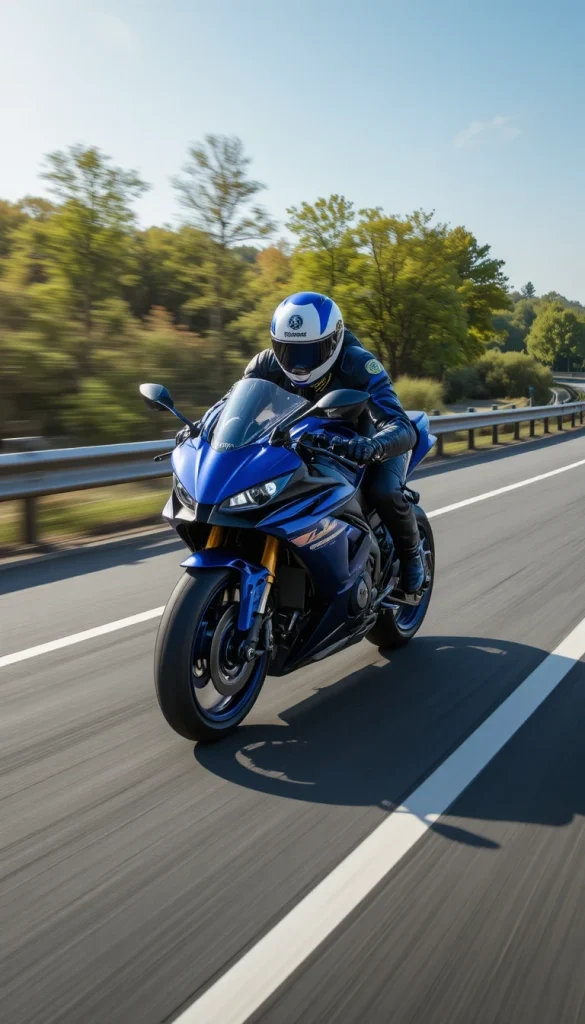
Riders who have experienced the 2025 Yamaha YZF-R3 describe it as one of the most confidence-inspiring sportbikes in its category. Many owners say it feels easy to ride, light to handle, and surprisingly refined for a twin-cylinder motorcycle. For new riders, it delivers just the right amount of excitement without ever feeling intimidating. The clutch action is light, the gearbox shifts smoothly, and the power comes in gradually, making it ideal for city use and weekend fun alike.
In daily commuting, riders appreciate how manageable and predictable the R3 feels. The seating posture is slightly sporty but still comfortable for regular use. Even in stop-and-go traffic, the bike remains stable and well-balanced, though some riders mention that the engine heat can be felt on the legs during long idling periods. Once on the move, however, the heat quickly dissipates and the bike runs cool and composed.
On open roads, the R3 truly shines. Its parallel-twin engine produces a lively mid-range punch, allowing smooth overtakes and quick acceleration. Many owners love the way it revs cleanly toward the top end, producing a satisfying sound from the exhaust without being too loud. The 6-speed gearbox feels precise, and the assist-and-slipper clutch makes downshifting smoother, especially during sporty riding. Several riders mention that the R3’s fuel efficiency is better than expected, offering respectable mileage even when pushed hard.
Comfort is another highlight. The seat design provides decent padding for both rider and pillion, and the slightly raised handlebars reduce wrist pressure on longer rides. Suspension feedback is described as well-balanced—soft enough to absorb daily bumps but firm enough to feel confident in corners. Many riders agree that Yamaha has achieved an excellent blend of comfort and control, which few sportbikes in this segment manage to deliver.
In terms of looks and build quality, the 2025 model gets strong praise. Riders admire its aggressive front fascia, LED headlights, and aerodynamic fairing that resembles bigger R-series models. The paint quality, body finish, and overall craftsmanship are considered top-notch for its price range. Owners also find the digital display clear and easy to read, showing essential ride data without clutter. The overall feel of the bike, from the switchgear to the exhaust note, gives off a premium vibe.
A few riders, however, mention areas where Yamaha could improve. Some feel the suspension could be a bit stiffer for high-speed track riding. Others wish for additional electronic features like traction control or selectable ride modes, which are now appearing on newer competitors. The clutch can also feel slightly heavy for complete beginners during long city rides, but most adapt quickly with use.
Still, no bike is perfect. Some negatives appear repeatedly: a few riders find the clutch a bit heavy at first, until they get used to it. Reddit Also, while the stock suspension handles city roads well, aggressive riders believe it could be stiffer for spirited cornering or track use.
Overall, rider feedback for the Yamaha YZF-R3 (2025) is overwhelmingly positive. It’s seen as a motorcycle that blends sporty performance with daily usability, providing both reliability and joy. Riders appreciate how it makes them feel connected to the road without demanding too much skill or effort. For many, the R3 is not just a beginner’s bike—it’s a motorcycle that continues to deliver thrills long after you’ve learned the ropes.
Conclusion
The Yamaha YZF-R3 (2025) stands tall as a refined, reliable, and rider-friendly motorcycle that delivers the perfect blend of performance and practicality. It’s fast enough to thrill you, light enough to handle easily, and comfortable enough to use every day.
Yamaha has successfully crafted a machine that connects both emotion and function. The R3 is not just a motorcycle; it’s an experience — one that teaches, entertains, and rewards every mile you ride. For riders stepping into the world of sportbikes, there’s hardly a better place to start than the 2025 Yamaha YZF-R3.