
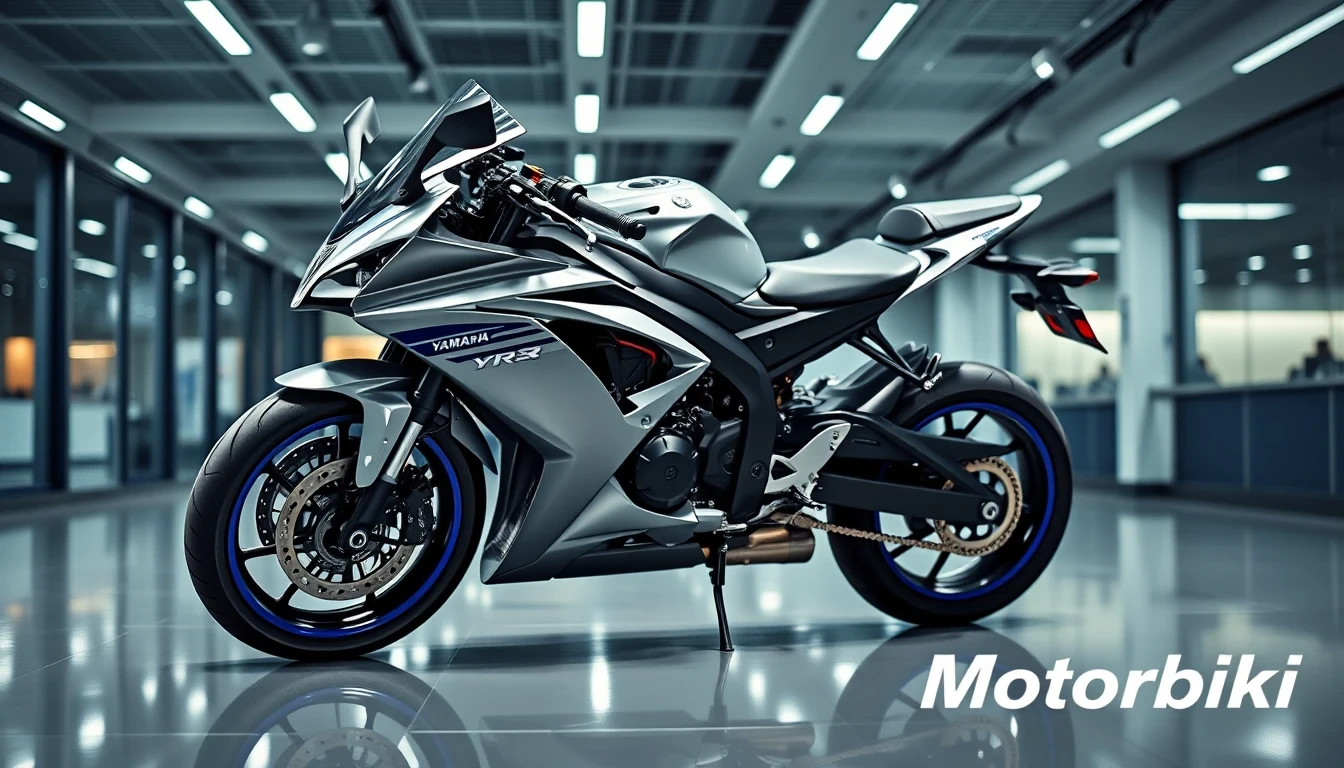
Yamaha YZF-R3: The Ultimate Entry-Level Sportbike best Guide
Meta description: Discover the Yamaha YZF-R3 2025 review with price, specs, top speed, mileage, colors & beginner guide. Learn why it’s the ultimate entry-level sportbike.
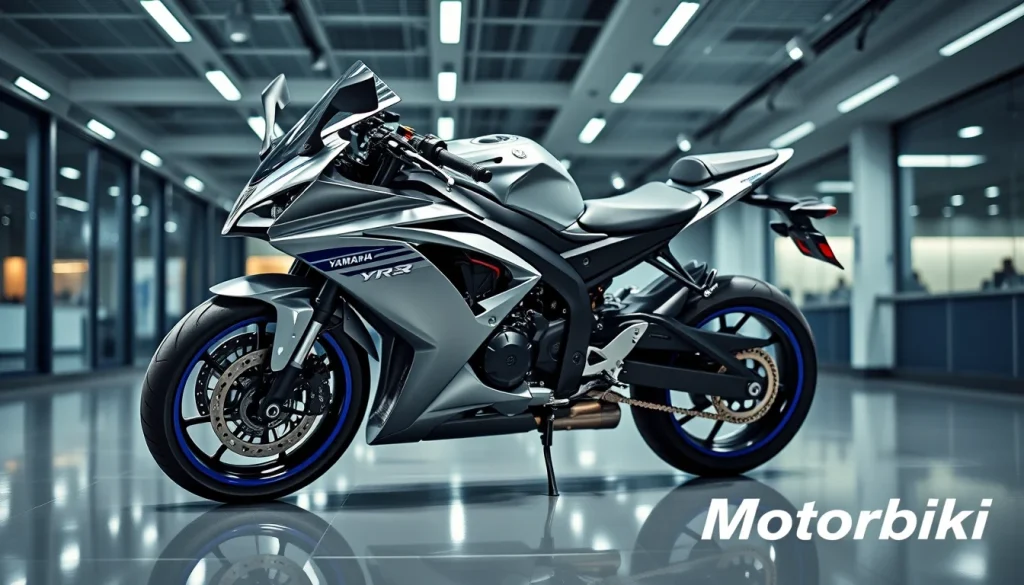
What is a popular choice for the Yamaha YZF-R3 for new riders?
The Yamaha YZF-R3 has established itself as one of the highest demanded entry-level sportsbikes in the motorcycle market. Since its introduction in 2015, this light supersport has attracted the attention of both novice riders and experienced motorcycle drivers who are looking for a tight, fun-to-ride machine. When “Yamaha YZF R3” is online, riders constantly find that this model creates an impressive balance between performance, strength, and easy-friendly characteristics that make it an ideal stepping stone in the world of sportsbikes.
Yamaha designed the YZF-R3 to bridge the gap between small-displacement bikes and full-let superbikes. Its sporty aesthetics, inspired by their elder siblings in the YZF-R series, give riders an authentic sportsbike experience without the power delivery of high-immunity machines. The acceptable nature of the bike, combined with real performance capabilities, has made it a favorite among motorcycle enthusiasts worldwide 999
How does the engine of the Yamaha YZF-R3 perform?
Engine specification and displacement:
Shipped with the YZF-R3 is its 321cc engine of liquid cooling, parallel, DOHC, 4-valve headed cylinders. Focusing on the 321cc engine is a moot point with the amount of performance Yamaha has been able to extract to make part of its tilt-up.
Exiting the power bored R3 bicycle, while Yamaha’s R3 has set a mark with its 321cc engine, YZF is a particularly sleek bike with a bore of 68.0 mm and a stroke of 44.1 mm. Enthusiasts at the ready for an extraordinary, spirited ride will be rewarded handsomely.
Parallel-twin configuration provides several advantages over single-cylinder options, including smooth power distribution, low vibration, and more sophisticated riding experiences. The engine includes advanced techniques such as lattice pistons to reduce friction in offset cylinders and a sophisticated fuel injection system that ensures optimal performance in the Reve range.
Power generation and performance characteristics:
The YZF-R3 engine produces about 42 horsepower at 10,750 rpm and 21.8 lb-ft torque at 9,000 rpm. Although these numbers can seem modest compared to large sportsbikes, they are perfectly compatible with the intended purpose of the bike. Power delivery is linear and estimated, making it easier to manage for new riders, while it is still easy to manage, providing sufficient enthusiasm for experienced riders.
The broad torque curve of the engine means that electricity is easily available, which makes the bike versatile for the entire city, which is versatile for both commuting and highway riding in the city. The high transit characteristic of the engine allows riders to experience the entire RPM range and thus enhances the educational and experience appeal of the ride.
What is the top speed of the Yamaha YZF R3?
Under the best conditions, the Yamaha YZF R3 is able to attain the speed of 110-120 mph (~180-195 km/hr). Yamaha’s work on aerodynamics and engine tuning is paying off, as this is an impressive top speed for the 300cc class bikes. The 375 lbs. (170 kg) wet weight of the bike also means that the construction is exceptionally light, which is a big plus. On the other hand, the top speed of the R3 is influenced by several factors, which include the rider’s weight, weather, altitude, and bike maintenance.
As per my personal riding experience, the R3 is capable of excellent top speed, but its best attributes are acceleration and overall bike handling, as well as mid-range speed. With superbikes of Yamaha, the R3 has an extremely aerodynamic fairing that allows this bike to hold exceptional top-range speeds with little extra power needed.
The bike maximally performs under real riding conditions, which means a rider is required to fully control the entire range of factors to achieve higher speed and overall optimised performance of the bike.
What do you know about Yamaha YZF-R3 pricing?
New Yamaha YZF-R3 Pricing
The price of the Yamaha YZF R3 is deployed as an affordable entry point in the sports segment. Depending on the year and color choice, the “new model” pricing typically ranges between $5,299 and $5,699 MSRP.
The success of the R3 and its competitive pricing strategy is the agility of the sportbike ownership. Promotional financing and incentive programs can further lessen the effective purchase price. When these programs are paired with the already mentioned low maintenance and excellent fuel economy, R3 becomes the most financially attractive motorcycle for riders on a budget.
Price -affected factors
Many factors affect the final purchase value of a new YZF-R3, including dealer markup, destination fee, tax, and additional accessories. Slip-on exhausts, frame sliders, and tank pads can increase the overall investment but can also increase the performance and safety of the bike.
Regional market status also plays a role in pricing, with high demand or limited availability in some areas commanding premium prices. Seasonal factors can affect pricing, as well as high prices due to increased demand in spring.
Where can you find a Yamaha YZF-R3 motorcycle for sale?
Authorized Yamaha dealers:
The primary source for Yamaha YZF R3 for sales options is through the authorized Yamaha dealership. These dealers provide the benefit of factory warranty coverage, certified technician service, and access to real Yamaha parts and accessories.
In search of a Yamaha YZF R3 for sale, the dealer network usually provides broader distribution inspections and setup services to ensure that your new R3 is ready for the road. Many dealers also offer trade-in programs, financing options, and extended warranty schemes that can make the purchase more convenient and inexpensive. Creating a relationship with a local Yamaha dealer can provide long-term benefits for service, parts, and future motorcycle purchases.
Online Marketplace and Classified Advertisement:
For both new and used YZF-R3 motorcycles, online platforms such as CycleTrader, Motorcycles.com, Facebook Marketplace, and Craigslist offer wide selections. These platforms allow buyers to compare prices, see detailed photos, and contact vendors directly. When making online purchases, it is important to verify the credibility of the seller and arrange a proper inspection before completing any purchase.
Motorcycle auctions and events:
The motorcycle auction, both online and in-traditional, can sometimes offer competitive pricing on the YZF-R3 motorcycle. Incidents such as motorcycle shows and swap meets can also offer opportunities to find well-made examples, although the selection may be limited.
What Color Options Are Available for the Yamaha YZF-R3?
Current Color Schemes:
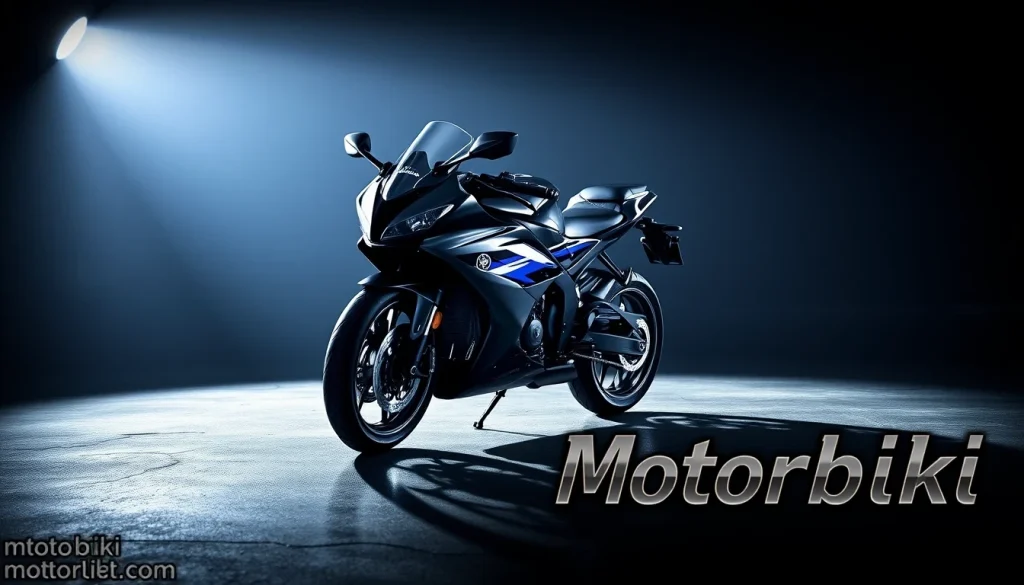
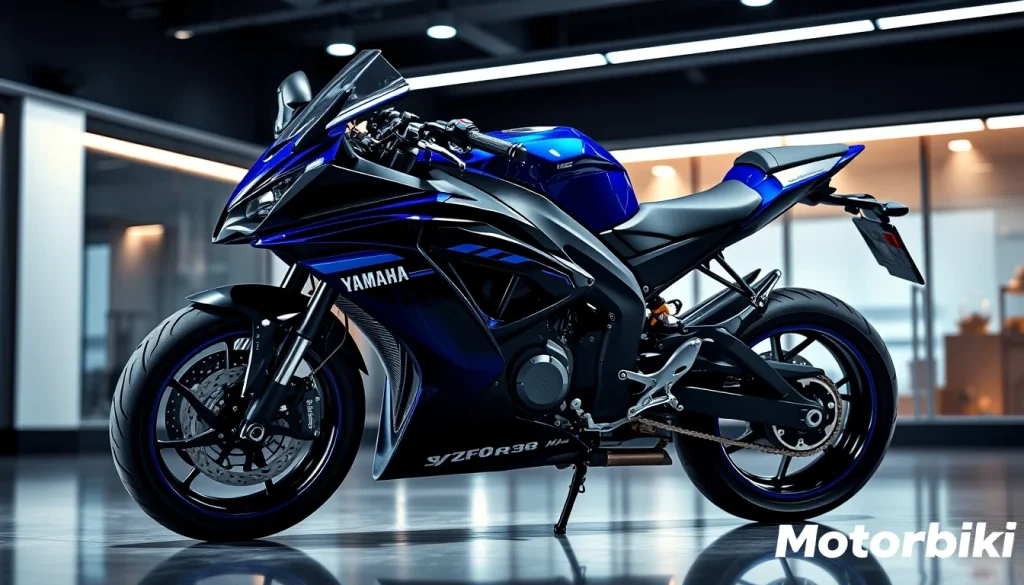
Yamaha has several attractive color options for the YZF-R3 to suit varying aesthetic tastes. The Yamaha YZF-R3 black variant is a particular favorite among those riders looking for a stealthy, aggressive look. This color option typically consists of matte or gloss black fairings with some subtle contrasting colors and graphics.
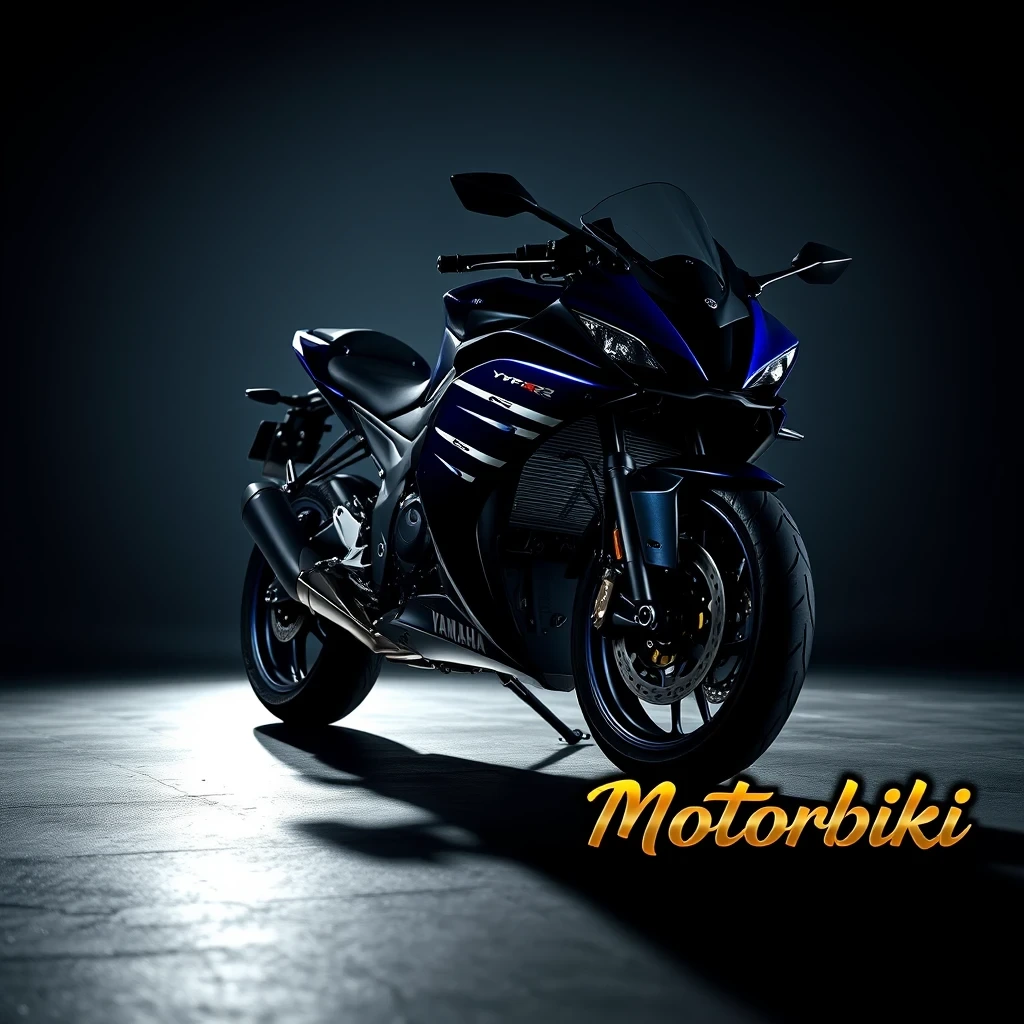
The Team Yamaha Blue and white accents have also been very popular, along with Raven black with silver, and various limited-edition color schemes introduced from time to time by Yamaha. Each of these colors allows the R3 to maintain its own sporty motorcycle styling while affording riders the ability to represent their own individual taste.
Colored effect:
The color option can affect resale value; with some colors, your appeal is maintained over time. Classic colors such as black, blue, and white usually have a broad market appeal and can be easier to sell. Limited versions or unique color schemes may appeal to collectors, but may be a small potential buyer pool.
Yamaha YZF-R3 Specifications
| Category | Specification |
| Engine Type | 321cc liquid-cooled, 4-stroke, DOHC, parallel-twin |
| Bore x Stroke | 68.0 mm × 44.1 mm |
| Compression Ratio | 11.2 : 1 |
| Fuel System | Fuel Injection (FI) |
| Ignition System | TCI (Transistor Controlled Ignition) |
| Transmission | 6-speed; constant mesh |
| Final Drive | O-ring chain |
| Clutch Type | Wet, multi-plate |
| Horsepower | ~42 HP @ 10,750 rpm |
| Torque | ~29.6 Nm @ 9,000 rpm |
| Top Speed | 112 – 120+ mph (180–190 km/h) |
| Fuel Tank Capacity | 3.7 gallons (14 liters) |
| Fuel Efficiency | 55–65 mpg (23–28 km/l) |
| Frame Type | Diamond-type steel frame |
| Front Suspension | 37 mm KYB inverted fork; 5.1 in travel |
| Rear Suspension | Monoshock with adjustable preload; 4.9 in travel |
| Front Brake | 298 mm hydraulic disc with ABS |
| Rear Brake | 220 mm hydraulic disc with ABS |
| Front Tire | 110/70-17 |
| Rear Tire | 140/70-17 |
| Wheelbase | 54.3 inches (1,380 mm) |
| Ground Clearance | 6.3 inches (160 mm) |
| Seat Height | 30.7 inches (780 mm) |
| Overall Length | 82.3 inches (2,090 mm) |
| Overall Width | 28.7 inches (730 mm) |
| Overall Height | 44.9 inches (1,140 mm) |
| Curb Weight | 375 lbs (169 kg) |
| Lighting | LED headlights and taillight |
| Instruments | Digital LCD panel with speedometer, tachometer, fuel gauge, gear indicator |
| Available Colors | Varies by market – typically Blue, Black, or White |
Pros & Cons of the Yamaha YZF-R3
Pros
- Smooth and manageable 321cc engine – perfect for beginners and still fun for experienced riders.
- Lightweight frame (375 lbs) makes city riding, cornering, and parking very easy.
- Comfortable ergonomics – sporty but not extreme, allowing longer rides without major fatigue.
- Excellent fuel efficiency – averages 55–65 mpg, great for daily commuting and longer trips.
- Reliable build quality – Yamaha’s engineering ensures durability with routine maintenance.
- Track-capable – agile handling and predictable power make it a great choice for entry-level track days.
- Affordable ownership costs – maintenance, insurance, and fuel are budget-friendly compared to bigger sport bikes.
Cons
- Limited top-end power – riders with more experience may outgrow the performance after a few years.
- Wind protection is minimal – taller riders can feel more wind at highway speeds.
- Stock suspension is basic – fine for commuting but may need upgrades for aggressive riding.
- Small 3.7-gallon fuel tank – requires more frequent refueling on long-distance rides.
- Not ideal for two-up riding – the pillion seat is small and less comfortable for passengers.
Is the Yamaha YZF-R3 a good beginner’s motorcycle?
Yes, the YZF-R3 is an almost perfect bike for beginners. It is powered by a manageable 321cc engine, which won’t overwhelm a rider who has just graduated from training, while the weight of 375 pounds on the frame makes it easier to handle at lower speeds.
What is the average fuel efficiency of the Yamaha YZF-R3?
For the YZF-R3, road tests show that fuel efficiency lies somewhere between 55 and 65 miles per gallon. With a 3.7-gallon tank, it offers a riding range of around 200 to 240 miles between fill-ups.
What kind of routine maintenance does the Yamaha YZF-R3 require?
The first service is due at 600 miles, followed by every 4,000 miles or six months. Routine maintenance includes oil changes, chain adjustments, and basic safety checks.
How does the Yamaha YZF-R3 handle highway riding?
With a top speed of over 120 mph, the Yamaha R3 can handle highway riding and overtaking with ease, while still feeling stable and confident at higher speeds.
What are some of the most popular aftermarket modifications for the Yamaha YZF-R3?
Popular aftermarket upgrades include slip-on exhausts, frame sliders, tank grips, aftermarket mirrors or levers, and suspension improvements for better performance and comfort.
Is the YZF-R3 good for a track day?
Yes, the Yamaha R3 is well-suited for track days. Its lightweight frame, manageable power, and sharp handling make it an excellent choice for riders looking to practice and improve their skills on the track.
Rider Reviews and Feedback
As someone who has spent time on different motorcycles around the world, I can say the Yamaha YZF-R3 strikes a perfect balance between beginner-friendliness and everyday practicality. Riders often highlight its smooth power delivery from the 321cc engine, which feels strong enough for spirited riding but never intimidating for newcomers.
International riders from various backgrounds point out how easy the R3 is to maneuver in tight city streets. Its lightweight frame and balanced handling make low-speed navigation less stressful compared to heavier sport bikes. At the same time, the bike remains stable when pushed harder on open highways, offering confidence for longer journeys.
Another point frequently mentioned is comfort. The seating position is sporty but not overly aggressive, which allows riders to cover decent distances without constant wrist or back strain. Many new riders appreciate this thoughtful balance because it feels like a true sport bike without the extreme ergonomics of larger supersport machines.
In terms of fuel economy, feedback is overwhelmingly positive. Riders in Europe and Asia often praise the R3 for delivering impressive mileage, especially during city commuting. For students, young professionals, or anyone watching their fuel budget, this becomes a key advantage.
When it comes to reliability, the Yamaha badge gives a sense of trust. Owners around the globe mention that, with regular maintenance, the R3 rarely causes unexpected issues. Chain care, timely oil changes, and basic servicing are usually all that’s required to keep the bike running smoothly.
Some riders do mention that after a year or two of experience, they begin craving more power, especially if they’ve caught the “speed bug.” However, most agree that the Yamaha YZF-R3 remains an enjoyable machine to keep, even as a second bike for daily rides or track practice.
Overall, rider feedback shows that the Yamaha YZF-R3 isn’t just a stepping stone—it’s a motorcycle that grows with you. Whether in North America, Europe, or Asia, the consensus remains the same: the R3 offers excellent value, dependability, and pure riding fun that appeals to both beginners and seasoned riders alike.
Yamaha YZF-R3 vs Kawasaki Ninja 400 vs KTM RC 390 – Comparison
| Feature | Yamaha YZF-R3 | Kawasaki Ninja 400 | KTM RC 390 |
| Engine | 321cc, liquid-cooled, parallel-twin | 399cc, liquid-cooled, parallel-twin | 373cc, liquid-cooled, single-cylinder |
| Horsepower | ~42 HP @ 10,750 rpm | ~47 HP @ 10,000 rpm | ~44 HP @ 9,000 rpm |
| Torque | ~29.6 Nm @ 9,000 rpm | ~38 Nm @ 8,000 rpm | ~37 Nm @ 7,000 rpm |
| Transmission | 6-speed | 6-speed | 6-speed |
| Top Speed | 112–120+ mph (180–190 km/h) | ~120–125 mph (193–200 km/h) | ~105–110 mph (170–177 km/h) |
| Fuel Tank Capacity | 3.7 gal (14 L) | 3.7 gal (14 L) | 3.6 gal (13.7 L) |
| Fuel Efficiency | 55–65 mpg (23–28 km/l) | 50–55 mpg (21–23 km/l) | 45–50 mpg (19–21 km/l) |
| Seat Height | 30.7 in (780 mm) | 30.9 in (785 mm) | 32.3 in (820 mm) |
| Curb Weight | 375 lbs (169 kg) | 366 lbs (166 kg) | 364 lbs (165 kg) |
| Front Suspension | 37 mm KYB inverted fork | 41 mm telescopic fork | WP APEX USD fork |
| Rear Suspension | Monoshock, preload adjustable | Monoshock, preload adjustable | WP APEX Monoshock |
| Brakes | 298 mm front / 220 mm rear, ABS | 310 mm front / 220 mm rear, ABS | 320 mm front / 230 mm rear, ABS |
| Tires | 110/70-17 (F), 140/70-17 (R) | 110/70-17 (F), 150/60-17 (R) | 110/70-17 (F), 150/60-17 (R) |
| Frame | Diamond steel frame | Trellis frame | Steel trellis frame |
| Electronics | Digital LCD, ABS | Digital display, ABS | TFT display, ABS, ride-by-wire |
| Best For | Beginner-friendly sport riding | Balanced mix of beginner & intermediate riders | Aggressive riding, performance-oriented |
Conclusion:
The Yamaha YZF-R3 is a true jack-of-all-trades entry-level sportbike. Easy-to-handle, well-constructed, and great looking, the YZF-R3 is ideally suited for brand new riders into the world of sportbikes, but is still interesting to a more seasoned rider with the capacity to perform.
Indeed, whether you are considering new or used, the YZF-R3 is an amazing value for money in today’s motorcycle market. Its price is competitive in both new and used motorcycle markets, thus making sportbike ownership affordable to a wide range of riders. Adding to its excellent nature as a practical transportation are reliability, fuel economy, and excellent resale value.
The trick for attaining power that the R3 manages comes courtesy of its 321cc parallel twin engine. This works to strike that perfect chord between having a lot less power for novices, up to what’s more than enough for a quite experienced rider. Push the bike to the limit, and it crosses above 120 mph, giving true sports bike features, all considered without being intimidating like larger machines.


