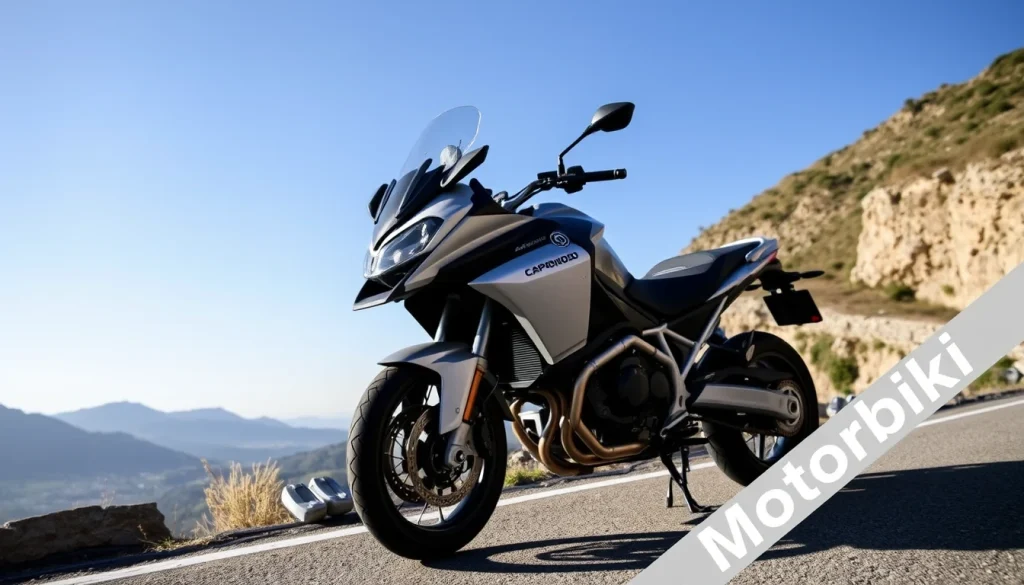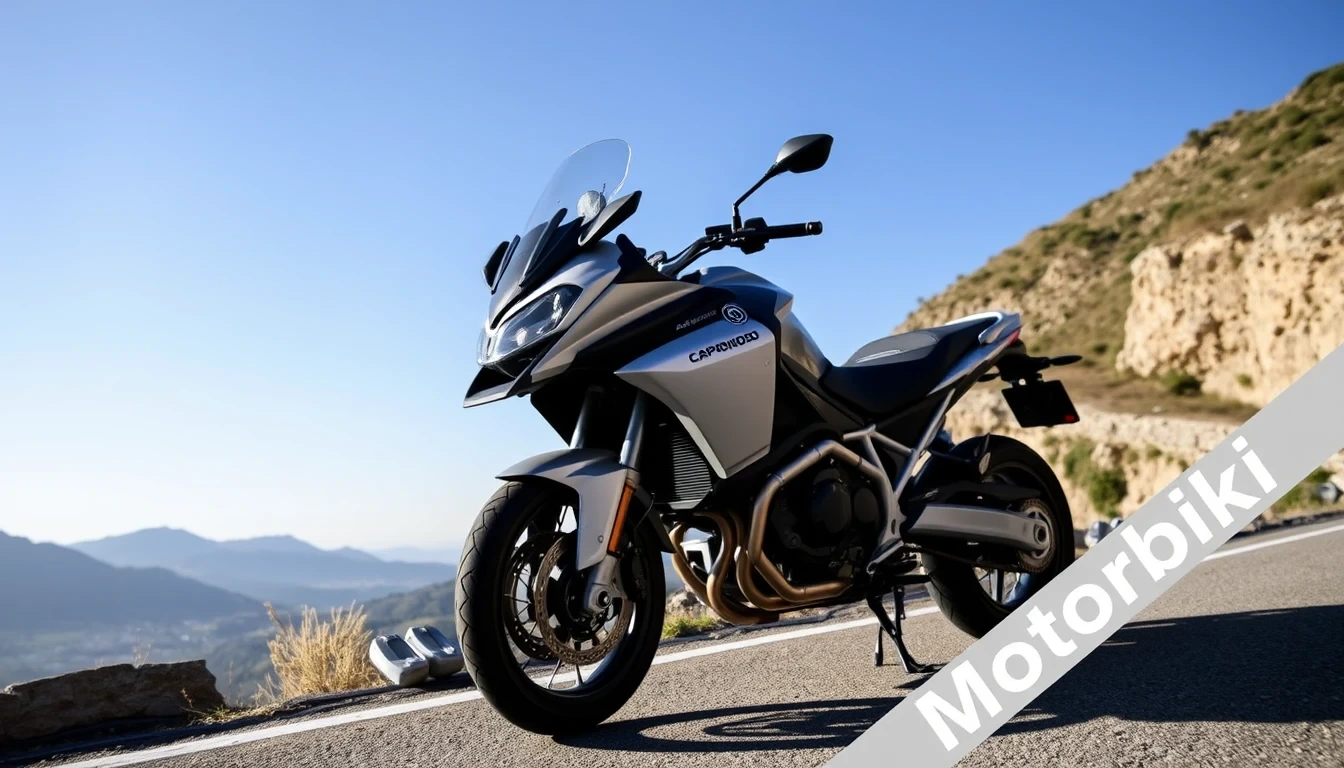
9 Worst Aprilia Caponord 1000 Problems and Fixes: Complete Guide to Owner’s Issues (2025)
The Aprilia Caponord 1000, with its sporty adventure-touring DNA and Italian engineering, has earned admiration from riders across the globe. However, like any machine, it comes with its fair share of issues. While many riders praise its V-twin performance and road handling, others report a range of mechanical and electrical problems over long-term ownership.
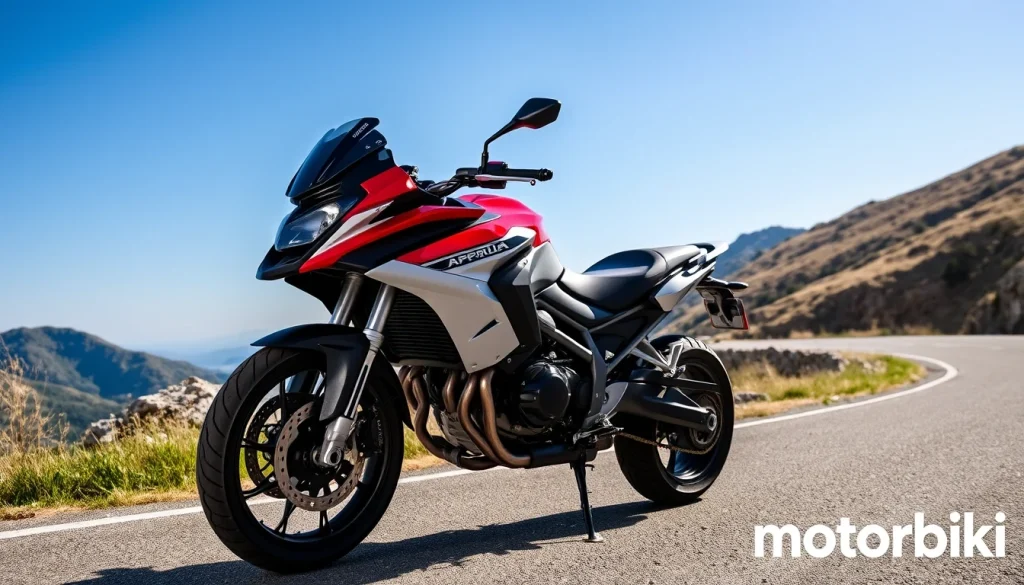
In this 2025 guide, we’ll explore problems with the Aprilia Caponord 1000, including symptoms, root causes, and detailed solutions — giving both current owners and potential buyers a transparent, technical, and insightful breakdown.
1. Starting Issues
Symptoms:
- Engine cranks but doesn’t start
- Clicking noise from starter relay
- Dash lights dim when attempting ignition
- Battery drains quickly after failed starts
Causes:
- Worn Starter Relay: Over time, the starter relay may develop carbon buildup or internal failure.
- Weak Battery: Age or poor charging can result in insufficient cranking amps.
- Faulty Fuel Pump Relay: Intermittent fuel pump response affects initial fuel delivery.
- Poor Grounding or Corroded Terminals: Electrical connections degrade and prevent consistent power flow.
Solutions:
- Replace Starter Relay: Use OEM or high-quality aftermarket relays for long-term reliability.
- Upgrade to AGM Battery: Choose a high-output sealed battery with deep-cycle performance.
- Inspect Fuel Pump Relay: Clean or replace if faulty; test continuity with a multimeter.
- Clean All Electrical Connections: Remove corrosion, apply dielectric grease, and tighten grounds.
- ECU Diagnostic Scan: Ensure no underlying ECU communication errors are causing the issue.
2. Rear Shock Absorber Failure (Sachs Unit)
Symptoms:
- Excessive bouncing on bumps
- Rear end bottoms out with passenger/load
- Leaking hydraulic fluid from the rear shock
- Unstable handling during cornering
Causes:
- Seal Deterioration: Common after 20,000 miles or more, leading to fluid leaks.
- Poor Quality OEM Shock: Early Sachs units have a reputation for early wear.
- High Load Stress: Two-up touring and luggage add pressure on the rear suspension.
- Lack of Service: The rear shock isn’t user-serviceable and is often neglected.
Solutions:
- Replace with Aftermarket Shock: Brands like Öhlins, Wilbers, or Hyperpro offer improved performance.
- Install Preload Adjusters: Especially beneficial for varying rider/load weights.
- Inspect Swingarm Bearings: Ensure smooth suspension travel.
- Check Suspension Sag Settings: Adjust preload for rider weight.
- Upgrade Linkage Bearings: Replace worn needle bearings and bushings for smoother action.
3. Fuel Sensor Malfunction
Symptoms:
- Fuel gauge stuck on full or empty
- Erratic fuel level readings
- Fuel warning light stays on
- The engine stalls when the tank isn’t empty
Causes:
- Faulty Float Mechanism: Common with ethanol-heavy fuels.
- Sensor Corrosion: Metal sensors degrade due to water contamination.
- ECU Misreading Signals: Disrupted communication between the sensor and ECU.
- Wiring Harness Fray: Worn insulation or broken wire within the loom.
Solutions:
- Replace Fuel Level Sensor: Choose a revised unit with ethanol-resistant components.
- Clean Tank Interior: Remove any residue or contaminants.
- Recalibrate Fuel Gauge via ECU: Dealer tools or diagnostic software may be required.
- Check Wiring for Shorts: Repair any exposed or broken wires.
- Avoid Ethanol Fuel: Use ethanol-free premium fuel where available.
4. Charging System Failure
Symptoms:
- The battery constantly discharges
- Headlights dim at idle
- The EFI warning light occasionally flashes
- Bike stalls randomly due to a power drop
Causes:
- Stator Burnout: Overheating or age-related coil failure.
- Regulator/Rectifier Fault: Unable to regulate current properly.
- Poor Ground Connections: Reduces charging efficiency.
- Thin Wiring Harness: Inadequate gauge wiring limits amperage delivery.
Solutions:
- Replace Stator with Heavy-Duty Unit: Opt for aftermarket units with upgraded windings.
- Upgrade Regulator/Rectifier: Install MOSFET-style regulators for better heat management.
- Add Auxiliary Ground Wires: Improve current flow directly to the battery.
- Check Charging Voltage: Should maintain 13.5–14.2V at 3000 RPM.
- Use Battery Tender: Maintain battery health during storage or low-use periods.

5. Throttle Body Synchronization Problems
Symptoms:
- Uneven idle speed
- Poor throttle response
- Increased fuel consumption
- The engine misfires at low RPMs
Causes:
- Out-of-Sync Throttle Bodies: Over time, cable stretch or vibration causes misalignment.
- Vacuum Leak: Cracked hoses affect intake balance.
- Dirty Idle Control Valve: Carbon deposits restrict airflow.
- Sensor Malfunction: TPS or MAP sensor feeds incorrect data.
Solutions:
- Synchronize Throttle Bodies Using Vacuum Gauges: A must-do during major services.
- Replace Vacuum Hoses: Silicone hoses are more durable.
- Clean Idle Control Components: Remove and spray with throttle body cleaner.
- Reset TPS Position via Diagnostic Tool: Ensures accurate throttle response.
- ECU Software Update: Sometimes necessary after synchronization.
6. Overheating in Traffic
Symptoms:
- The temperature gauge reaches the red zone quickly
- The cooling fan doesn’t activate
- The engine shuts off unexpectedly
- Coolant boils over in the reservoir
Causes:
- Non-Functional Radiator Fan: Fan motor or relay failure.
- Clogged Radiator Fins: Dirt and bugs reduce airflow.
- Old Coolant: Reduced thermal efficiency.
- Faulty Thermostat: Doesn’t open at the correct temperature.
Solutions:
- Test and Replace Radiator Fan Motor or Relay: Check function at 100°C.
- Flush Radiator System: Remove old coolant and deposits.
- Install High-Flow Thermostat: Opens sooner for better heat management.
- Use Engine Ice or Evans Coolant: Reduces operating temps significantly.
- Clean Radiator Fins: Use compressed air or water spray.
7. Gearbox Shifting Issues
Symptoms:
- False neutrals between gears
- Hard or crunchy shifts
- Gear slipping under load
- Difficulty engaging 1st or 2nd gear
Causes:
- Worn Shift Dogs or Forks: Common in high-mileage bikes.
- Incorrect Clutch Cable Tension: Affects engagement timing.
- Old Gearbox Oil: Reduces lubrication and increases friction.
- Bent Gear Selector Shaft: Often caused by impact or rough shifting.
Solutions:
- Change Gearbox Oil to High-Grade Synthetic: Improves smoothness.
- Adjust Clutch Lever Freeplay: Follow service manual specs.
- Replace Worn Internal Gearbox Components: Requires engine tear-down.
- Inspect Gear Selector Linkage: Replace bent parts.
- Use Shift Assist (Quickshifter): Reduces mechanical wear during changes.
8. Dashboard/Instrument Cluster Failure
Symptoms:
- Speedometer or tachometer freezes
- Warning lights flicker randomly
- Display completely blank
- Backlight dims or fails intermittently
Causes:
- Cold Solder Joints on Circuit Board: Vibration damages contacts.
- Water Ingress: Poor sealing allows moisture into the cluster.
- Wiring Harness Fatigue: Frequent flexing breaks internal copper strands.
- Voltage Spikes: Irregular current flow from a failing regulator.
Solutions:
- Remove and Resolder PCB Points: Especially around connectors.
- Seal Cluster with Silicone Gasket: Improves waterproofing.
- Install an Inline Voltage Regulator: Prevents spikes from damaging electronics.
- Replace with Updated Cluster: Some 2005+ models offer an improved design.
- Add Fused Circuit Breakers: Protect delicate electronics.
9. Chain and Sprocket Premature Wear
Symptoms:
- Excessive chain noise
- Uneven sprocket teeth wear
- The chain requires frequent adjustment
- Juddering during acceleration
Causes:
- Poor Lubrication Practices: Chain dries out quickly.
- Low-Quality OEM Chain: Early Caponords came with fast-wearing chains.
- Misaligned Sprockets: Increases uneven tension.
- Overloaded Riding: High torque loads wear parts faster.
Solutions:
- Upgrade to X-Ring or Z-Ring Chain: Offers superior sealing.
- Use High-Quality Chain Lube: Apply every 500 km or after rain.
- Check Alignment Regularly: Use laser alignment tools.
- Replace with Hardened Steel Sprockets: Longer-lasting than OEM.
- Install Chain Tensioner: Reduces slap and prolongs life.
Aprilia Caponord 1000 Complete Specifications
| Category | Specification |
| Engine Type | 998cc, 4-stroke, 60° V-twin, DOHC, 8-valve |
| Displacement | 998 cc |
| Horsepower | 98 hp @ 8,250 rpm |
| Torque | 97 Nm @ 6,250 rpm |
| Compression Ratio | 10.5:1 |
| Fuel System | Electronic Fuel Injection (EFI) with dual throttle bodies |
| Cooling System | Liquid-cooled |
| Transmission | 6-speed constant mesh manual |
| Clutch Type | Wet multi-plate |
| Final Drive | Chain |
| Frame Type | Steel tube trellis with aluminum swingarm |
| Front Suspension | 43mm Marzocchi USD telescopic forks, 175mm travel |
| Rear Suspension | Sachs monoshock, preload & rebound adjustable, 180mm travel |
| Front Brake | Dual 300mm discs, Brembo 2-piston floating calipers |
| Rear Brake | Single 280mm disc, Brembo single-piston caliper |
| Front Tire | 110/80-R19 |
| Rear Tire | 150/70-R17 |
| Wheel Type | Spoked wheels with tubeless tires |
| ABS System | Optional (not standard on early models) |
| Fuel Tank Capacity | 25 liters (6.6 gallons) |
| Oil Capacity | 4 liters (with filter) |
| Seat Height | 820 mm (32.3 inches) |
| Ground Clearance | 175 mm (6.9 inches) |
| Dry Weight | 215 kg (474 lbs) |
| Wet Weight | Approx. 235 kg (518 lbs) |
| Wheelbase | 1,555 mm (61.2 inches) |
| Rake / Trail | 26° / 120 mm |
| Top Speed | 210 km/h (130 mph) |
| Fuel Range (est.) | 350–400 km (217–250 miles) |
| Battery Type | 12V, 14Ah maintenance-free (recommend AGM upgrade) |
| Instrumentation | Digital-analog combo cluster with trip, fuel, and clock |
| Production Years | 2001 – 2007 |
| Country of Origin | Italy |
What are the most common problems with the Aprilia Caponord 1000?
The most common issues include starting difficulties, rear shock failure, fuel sensor malfunction, charging system faults, overheating in traffic, and throttle body synchronization problems.
2. Is the Aprilia Caponord 1000 reliable for long-distance touring?
Yes, it can be reliable if well-maintained. However, aging electrical components and suspension parts may require upgrades for extended touring reliability.
3. Why does the Caponord 1000 struggle to start even with a full battery?
This is often due to a faulty starter relay, poor grounding, or fuel pump relay issues. Diagnosing with a multimeter and checking relays usually resolves it.
4. How can I prevent rear shock absorber failure?
Regular inspection, upgrading to aftermarket shocks, adjusting preload, and avoiding overloading the bike are effective preventive measures.
5. Does the Caponord 1000 have overheating issues in city traffic?
Yes, especially in hot weather. Common causes include a faulty radiator fan, old coolant, or a stuck thermostat. Flushing the cooling system and upgrading the fan relay can help.
6. How often should the throttle bodies be synchronized?
It’s recommended to check and synchronize the throttle bodies every 10,000 km or during major services to maintain smooth engine performance.
7. Are electrical problems common on this model?
Yes, particularly with the dashboard, charging system, and sensor wiring. These issues usually arise from vibration damage or aging components.
8. What is the expected lifespan of the chain and sprockets?
With proper lubrication and alignment, the chain and sprockets can last 20,000–25,000 km. However, poor maintenance or heavy riding may reduce that significantly.
9. Is the fuel gauge inaccurate on all Caponord 1000 models?
Not all, but many early models have faulty sensors. Replacing with updated fuel level sensors and avoiding ethanol-rich fuel helps resolve this.
10. Should I avoid buying a used Aprilia Caponord 1000?
Not necessarily. A well-maintained unit with service records can be a good value. Look for known issues and whether key components (like the stator and suspension) have been upgraded.
User Reviews and Feedback for the Aprilia Caponord 1000
The Aprilia Caponord 1000 has earned a dedicated fan base among adventure and touring motorcycle enthusiasts. Many riders appreciate its strong V-twin engine, comfortable riding ergonomics, and excellent long-distance capabilities. The suspension setup, especially on well-maintained models, is often praised for delivering a balanced ride both on highways and light off-road trails.
Owners frequently highlight the bike’s stability at high speeds and its ability to handle heavy luggage without compromising control. The seat is considered comfortable for extended rides, and the windscreen provides decent protection against wind fatigue during touring.
However, feedback also points to certain recurring concerns. Some riders report electrical issues, particularly with the dashboard and wiring connections, if the bike has not been regularly maintained. Others note that the stock suspension may require tuning or upgrades for heavier riders or aggressive off-road use. Spare parts availability in certain regions can also be a challenge, making maintenance planning important for long-term ownership.
In general, the Caponord 1000 is viewed as a capable and enjoyable touring motorcycle for those willing to keep up with its maintenance needs. Riders who have kept theirs in top condition often praise it as a reliable and comfortable companion for multi-day journeys.
Aprilia Caponord 1000 vs. BMW R1150GS vs. Suzuki V-Strom 1000 – Adventure Touring Comparison
Adventure touring motorcycles are built to handle long distances, variable road conditions, and heavy luggage while keeping the rider comfortable. The Aprilia Caponord 1000, BMW R1150GS, and Suzuki V-Strom 1000 are three popular options in this category. Each brings its own strengths in performance, comfort, and value, appealing to different rider preferences.
The Aprilia Caponord 1000 is powered by a 998cc V-twin producing around 98 horsepower and 97 Nm of torque. It delivers strong mid-range pull and smooth acceleration, making it ideal for overtaking and highway cruising. The BMW R1150GS, with its 1130cc air- and oil-cooled boxer twin, produces slightly less peak power at around 85 horsepower but excels in low-end torque delivery, making it easy to handle in slow-speed maneuvers and off-road riding. The Suzuki V-Strom 1000, using a 996cc V-twin, offers a sportier character, revving more freely than the BMW and feeling lighter on its feet than both rivals, appealing to riders who enjoy a more spirited ride.
Comfort is critical for touring riders. The Caponord offers a plush seat and a well-balanced riding position, along with an adjustable windscreen for better wind protection. Its suspension, while comfortable for most road conditions, may need upgrading for aggressive off-road riding. The R1150GS is known for its upright stance, roomy ergonomics, and long-travel Telelever front suspension, which absorbs bumps without excessive dive under braking. The V-Strom’s seat is slightly narrower, which can benefit shorter riders, and its riding posture is neutral, making it comfortable for both short trips and long-distance travel.
In terms of reliability and maintenance, the Caponord can be dependable when properly maintained, but owners sometimes face challenges with electrical components and sourcing certain parts. The BMW R1150GS has a reputation for durability, with many examples covering extremely high mileage, though final drive maintenance can be costly. The Suzuki V-Strom is often considered the most trouble-free of the three, with simple servicing and wide parts availability, making it an easy choice for riders who prefer minimal upkeep.
Price and value for money play a major role in the decision. On the used market, the Caponord 1000 typically offers the lowest purchase price, providing excellent value for riders willing to invest in preventive maintenance. The R1150GS generally commands the highest prices due to its cult following and proven reliability record, though it can also be more expensive to repair. The V-Strom sits in the middle in terms of cost, offering a strong balance of performance, reliability, and affordability.
Choosing between these three comes down to priorities. The Aprilia Caponord 1000 offers strong performance and comfort at a low entry price but requires attentive upkeep. The BMW R1150GS is the most rugged and proven for long-distance adventure riding, but it comes at a higher cost. The Suzuki V-Strom 1000 delivers an easy-to-own package with a sporty feel, making it ideal for riders who want a dependable all-rounder without breaking the bank.
Aprilia Caponord 1000, BMW R1150GS, and Suzuki V-Strom 1000 including price, top speed, cc, weight, seat height, fuel capacity, and horsepower.
| Motorcycle Model | Engine (cc) | Horsepower (hp) | Top Speed (km/h) | Wet Weight (kg) | Seat Height (mm) | Fuel Capacity (liters) | Avg. Used Price (USD) |
|---|---|---|---|---|---|---|---|
| Aprilia Caponord 1000 | 998 | 98 | 210 | 245 | 820 | 25 | $3,500 – $5,000 |
| BMW R1150GS | 1,130 | 85 | 200 | 249 | 850 | 22 | $4,500 – $7,500 |
| Suzuki V-Strom 1000 | 996 | 98 | 200 | 236 | 833 | 22 | $3,800 – $6,000 |
This table makes it much easier for readers to compare the performance, comfort, and value factors at a glance, which is great for SEO and engagement.
Final Thoughts
While the Aprilia Caponord 1000 delivers thrilling performance and unique Italian charm, it requires a well-informed owner to maintain reliability. The issues discussed above are well-documented and solvable — especially with proactive maintenance and high-quality replacement parts. With the right attention, the Caponord 1000 can continue to be a trustworthy companion on every road and adventure.